Why is My Mouth Dry When I Wake Up?
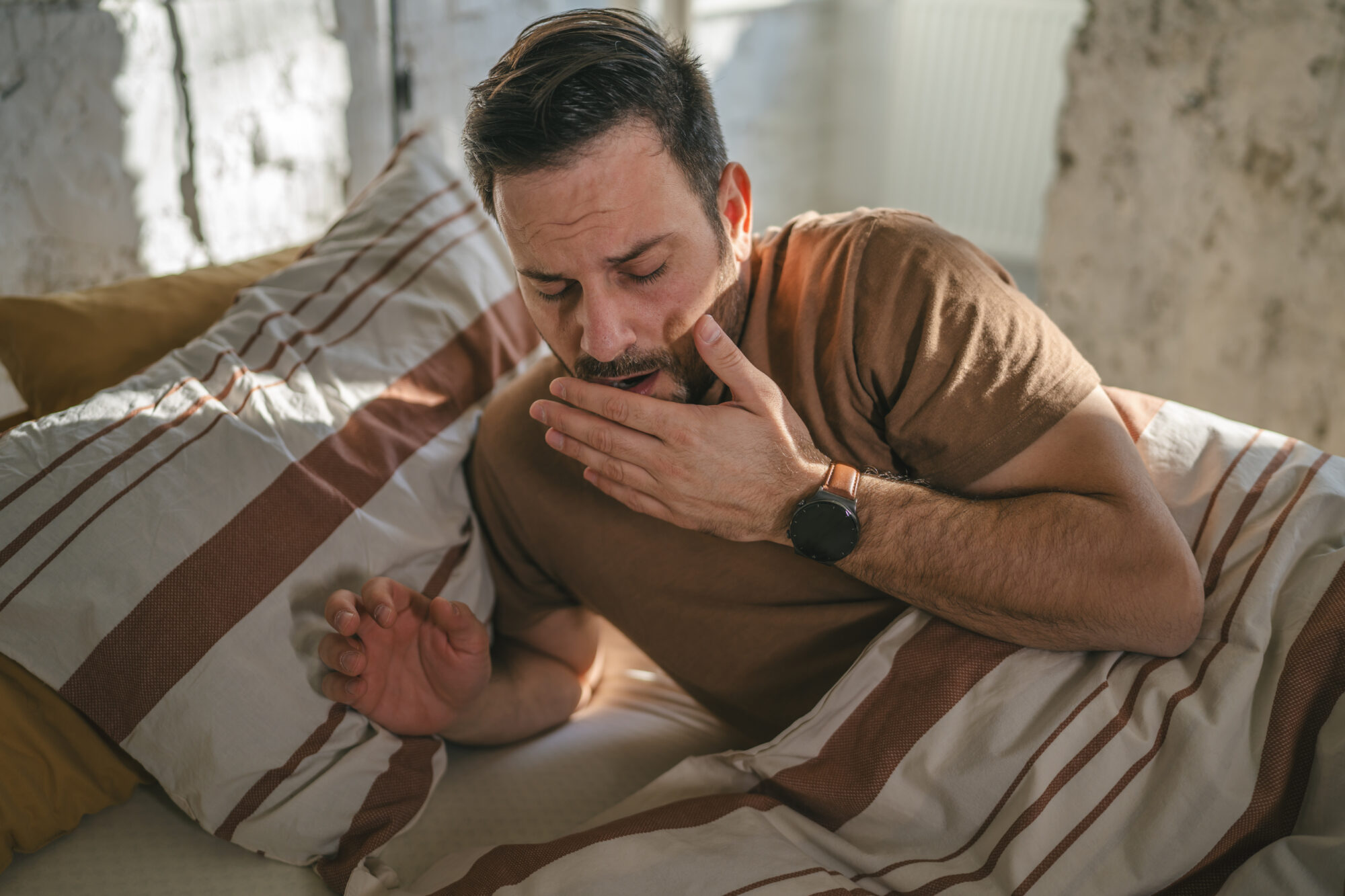
Waking up with a parched mouth and a scratchy throat is an uncomfortable way to start the morning. Saliva has a significant role in keeping your teeth and gums healthy; it neutralizes acids, washes away food particles, and limits bacterial growth. When your body stops producing enough saliva overnight, you can experience severe discomfort and a higher risk of cavities. In order to properly address your morning dry mouth concerns, you’ll need to understand:
- Common causes of dry mouth such as mouth breathing, dehydration, and dry air.
- How medications, snoring, or sleep apnea contribute.
- Signs that it may be a bigger health issue.
- Simple ways to reduce dryness and improve sleep.
At Distinctive Dental Solutions, we want to help you understand what might be causing your dry mouth and how to determine whether or not it’s time to see a dentist. Our team stands ready to help you if you have concerns.
What Are Common Causes of Morning Dry Mouth?
Many daily habits and environmental factors lead to a lack of saliva while you sleep. This can include:
- Failing to drink enough water during the day leaves your body without the resources needed to produce saliva at night.
- The winter months and indoor heating systems often remove moisture from the air. Breathing this dry air quickly dries out your oral tissues.
- People who breathe through their mouths instead of their noses lose moisture at a quick rate.
By staying hydrated, using a humidifier, and addressing mouth breathing, you can alleviate dryness and protect your teeth and gums. If dry mouth continues, consult your dentist to explore tailored solutions and regain a consistent sense of relief.
How Do Medications, Snoring, and Sleep Apnea Contribute to Dry Mouth?
Sometimes, the cause of dry mouth is more than just daily habits. Certain medical factors and conditions can significantly reduce saliva production.
- Many prescription and over-the-counter drugs, including those for allergies and high blood pressure, can cause dry mouth.
- The rapid movement of air across your oral tissues while snoring causes them to lose moisture and dry out quickly.
- This condition, which involves stopping and starting breathing during sleep, frequently causes open-mouth breathing and can lead to severe morning dryness.
If you suspect your dry mouth is linked to medications or a sleep-related condition, it is important to discuss your symptoms with your doctor. Addressing these underlying issues can help manage your oral health and improve your comfort.
What Are the Signs Your Dry Mouth Indicates a Bigger Health Issue?
An occasional dry mouth is normal, but a persistent lack of saliva can cause serious harm to your dental health. Saliva is important for rinsing away food particles and neutralizing acids. Without proper saliva flow, harmful bacteria can multiply quickly, leading to several oral health problems.
You should seek dental guidance if you notice persistent symptoms, as they may point to a larger health issue. Look for these signs:
- A continuous dry environment allows odor-causing bacteria to thrive.
- Your gums may become red, swollen, or tender without the lubricating effect of saliva.
- Saliva helps remineralize tooth enamel, so a lack of it leaves your teeth more vulnerable to decay.
- Saliva aids in breaking down food.
If you experience these symptoms, especially if you have an underlying condition like an autoimmune disease, it is time to seek professional advice to protect your smile. A dentist can pinpoint the cause of your dry mouth and offer treatments to manage your symptoms effectively.
What Are Simple Ways to Reduce Dryness and Improve Sleep?
You can alleviate symptoms by making a few simple changes to your nightly routine. A few natural dry mouth remedies you can try to alleviate your dry mouth include:
- Drinking plenty of water throughout the day to stay hydrated.
- Running a humidifier in your bedroom to add moisture to the air.
- Chewing sugar-free gum containing xylitol to stimulate saliva production and help prevent cavities.
- Rinsing with an alcohol-free mouthwash before bed helps protect your teeth without causing extra dryness.
- Limiting caffeine intake after your morning cup, since caffeine acts as a diuretic and worsens dehydration.
Making these adjustments can help manage your symptoms and protect your teeth from decay. In addition, you can brush your teeth two times a day with a fluoride toothpaste. While these home remedies offer relief, it is always best to consult with a dental professional for a complete treatment plan tailored to your needs.
Choose Distinctive Dental Solutions for Lasting Health
Managing your oral health is much easier when you have a dedicated team on your side. At Distinctive Dental Solutions, we work with you to discover your unique dental goals and establish a plan that protects your healthy smile. We believe in providing individualized attention, offering flexible payment plans, and making your comfort a priority. Book your appointment today, and let us help you achieve a healthier, happier smile.