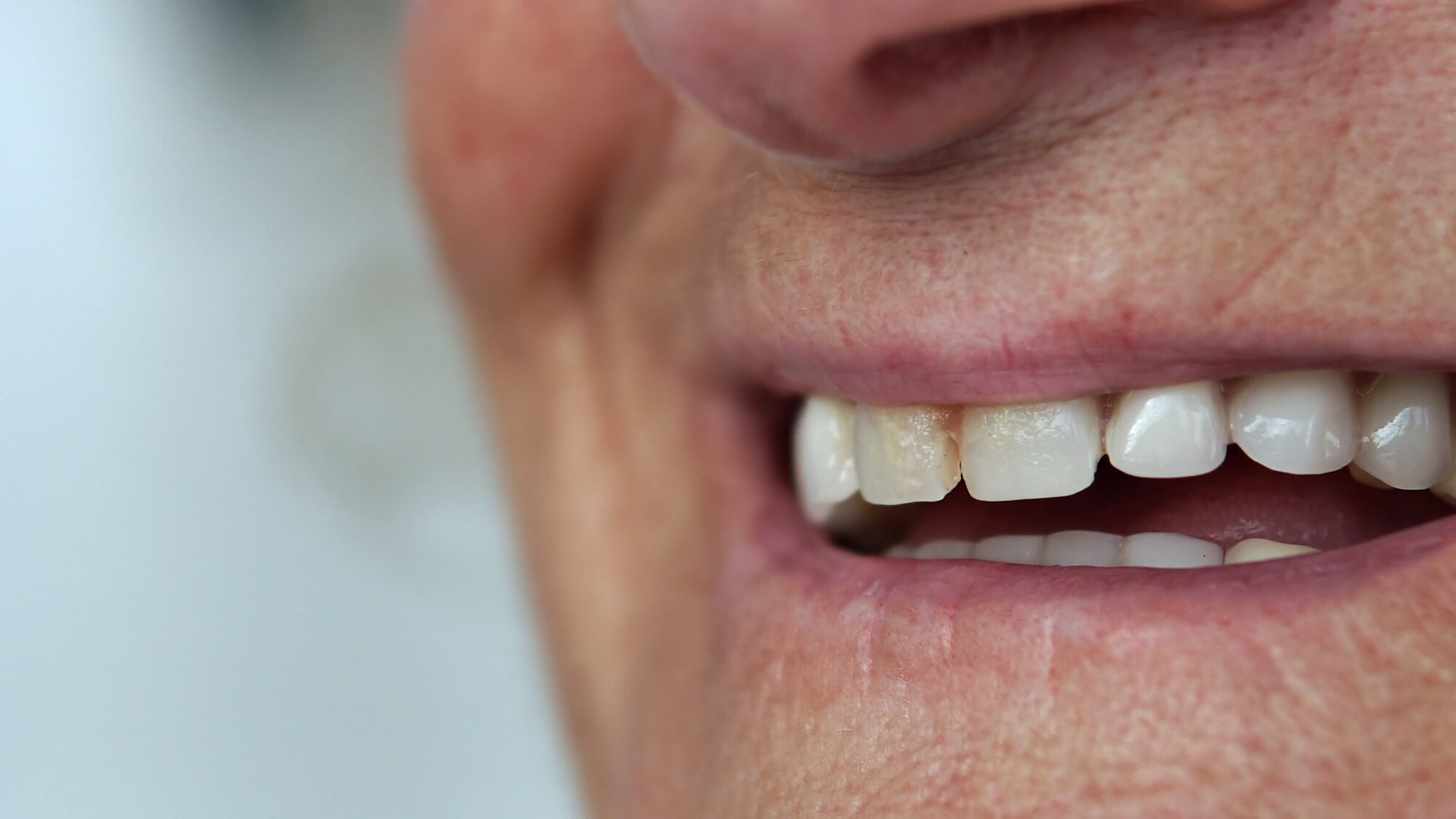
Why Does My Tooth Look Gray and Dark?
Noticing that one of your teeth has suddenly turned gray or dark can bring up a lot of anxiety. You might worry about losing the tooth, what others will think of your smile, or how much treatment might cost. Fortunately, a discolored tooth is a common dental issue with several effective solutions. To give you immediate answers, here is a quick overview of why your tooth looks gray and how dental care can help:
- Dental trauma from a recent or past injury can cause bleeding inside the tooth.
- Deep decay or an infected nerve can turn the tooth dark from the inside out.
- Your dentist will use digital X-rays to check the health of the root and nerve.
- Traditional whitening usually fails to lift internal stains on a single tooth.
- Restorative treatments like same-day crowns or veneers offer beautiful, lasting results.
Here at Distinctive Dental Solutions, we want you to know more about the causes and treatments for a dark tooth, so you can make the best choices for your oral health. Contact our team today for further guidance.
Why Did My Single Tooth Darken and Change Color?
A sudden change in tooth color happens for a few specific reasons. Unlike surface stains from coffee or tea, a single gray tooth usually indicates an internal issue. Understanding the root cause is the first step toward getting your healthy smile back. Here are the most common reasons why one tooth might turn gray or dark:
- A physical injury to the mouth can damage the blood vessels inside the tooth.
- Untreated cavities allow decay to reach the inner pulp, causing the tooth to die and turn gray.
- Previous dental work, such as large silver fillings, can cast a dark shadow through the enamel.
- Certain medications taken during tooth development can leave permanent dark bands.
Whether your tooth darkened overnight or over several years, getting a professional evaluation will help you find the right solution. A dentist can pinpoint the underlying issue and create a treatment plan just for you. With an accurate diagnosis, you can take the correct action to restore your tooth’s health and appearance, giving you a reason to smile again.
How Does a Dentist Determine the Cause of My Discolored Tooth?
When you visit the dentist, they will perform a thorough exam to see if the problem is purely cosmetic or related to structural damage. They want to know exactly what is happening inside the tooth so they can recommend the safest treatment. Your dentist will:
- Review your dental history to check for past trauma, old fillings, or root canals.
- Use digital X-rays to look for hidden decay, bone loss, or nerve infections.
- Perform a temperature test to see if the nerve inside the tooth is still alive.
- Examine the surrounding gums for signs of swelling or localized infection.
Once the dentist understands the exact health status of your tooth, they will sit down with you to discuss your options. Possible treatments could include a root canal to save the tooth, placing a veneer or crown to cover the discoloration, or, in some cases, extraction if the tooth is beyond repair. Your dentist will explain each choice and help you make a decision that feels right for you and your smile.
Will Standard Teeth Whitening Fix a Dark Tooth?
Many people assume they can fix a dark tooth with over-the-counter whitening strips or standard bleaching gels. While these products work well for surface stains, they rarely work on teeth that have darkened from the inside. Applying strong bleach to a damaged tooth can even cause extreme sensitivity or further irritation. You should reconsider standard whitening for a single gray tooth for these reasons:
- Bleaching gels only lift external stains caused by food, drink, and tobacco.
- Internal discoloration comes from damaged tissue, which bleach cannot heal.
- Whitening your other healthy teeth might make the dark tooth look even more noticeable.
- An infected tooth needs medical treatment to relieve pain and prevent the spread of bacteria.
Instead of relying on store-bought products, ask your dental provider about treatments designed for internal staining. This approach also prevents further damage or irritation that could come from using inappropriate products on a compromised tooth.
How Can Cosmetic or Restorative Dentistry Improve My Smile?
If your tooth needs more than a simple whitening session, advanced dental technology offers several ways to restore its color, shape, and strength. Modern treatments are comfortable, highly effective, and personalized to your unique facial structure. Your dentist might recommend one of these popular restorative or cosmetic procedures:
- Internal bleaching can safely lighten a tooth from the inside after a root canal procedure.
- A bioceramic same-day crown completely covers the tooth to provide lasting strength and a natural appearance.
- Custom dental veneers attach to the front of the tooth to hide severe discoloration and improve the shape.
- Tooth-colored composite bonding offers a fast and affordable way to mask minor dark spots.
The right restorative option can improve your oral health while giving you a bright, beautiful smile. Taking care of discolored teeth prevents further dental problems and supports your overall well-being.
Distinctive Dental Solutions is Here to Help You Address Your Concerns
Dealing with a discolored tooth does not have to be a stressful experience. At Distinctive Dental Solutions, we work closely with you to determine dental goals and establish a plan for lasting health. Our team uses state-of-the-art technology, like same-day crowns and digital imaging, to provide fast and comfortable care. Book your appointment with Distinctive Dental Solutions today to protect your healthy smile.