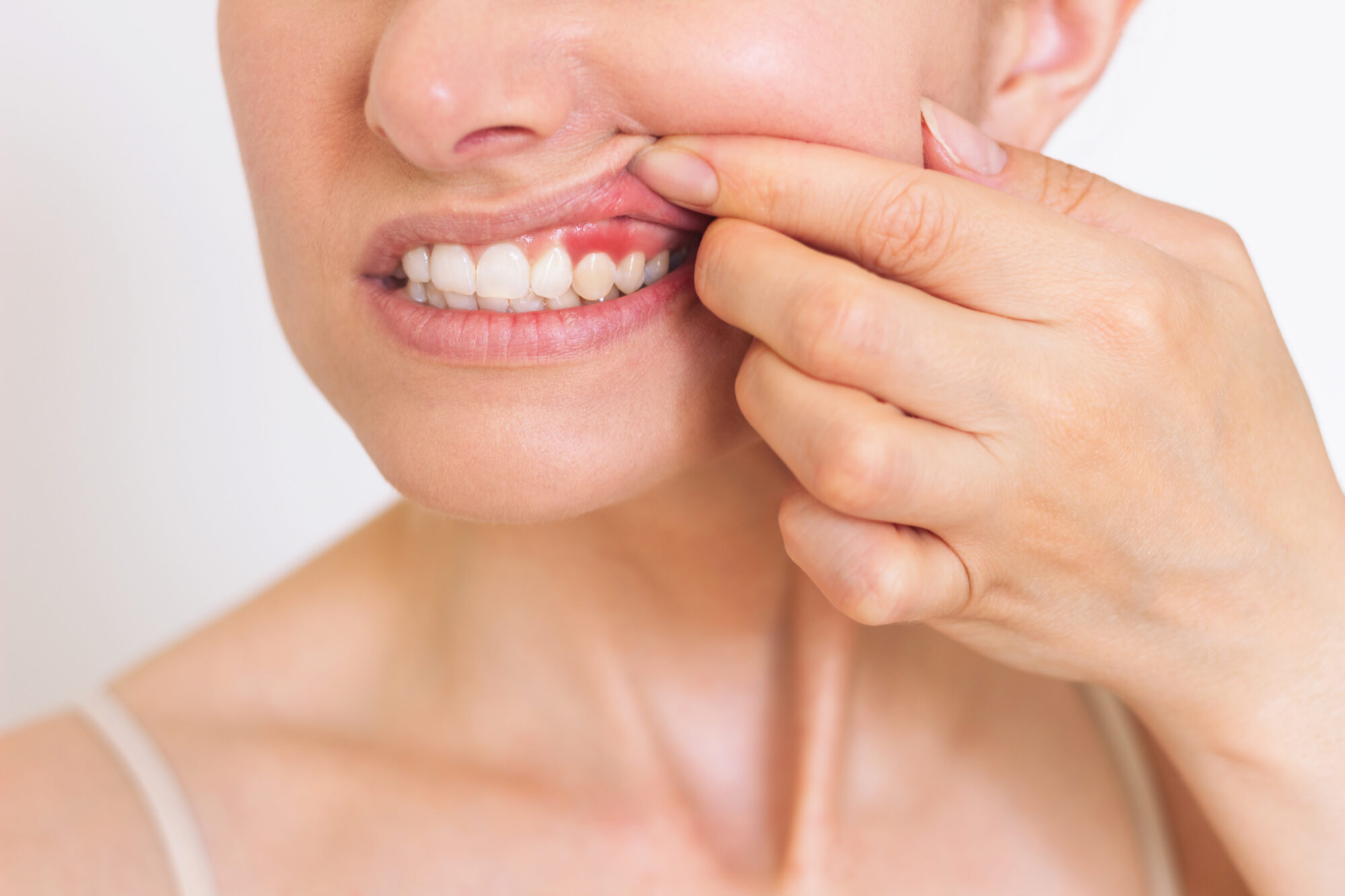
3 Often Overlooked Signs of Gum Disease
A sore tooth or a chipped smile sends most people straight to the dentist. Gum disease rarely announces itself that way. It creeps in quietly, hiding behind symptoms that seem harmless at first glance, like a little bad breath or a slightly tender gumline. By the time it becomes obvious, the damage has often already begun.
It’s important to understand what’s really going on beneath those small, easy-to-dismiss symptoms, including:
- What gingivitis is and why it’s the starting point for gum disease
- Why brushing doesn’t always fix Persistent bad breath
- Why your gums might bleed even when you’re gentle
- Whether tooth sensitivity could point to something more serious
Recognizing these signs early can make all the difference in protecting your smile. If you have concerns about your teeth, our team at Distinctive Dental Solutions is happy to help. Reach out today to schedule an appointment.
What Is Gingivitis?
Gingivitis is the earliest stage of gum disease, and it develops when plaque builds up along the gumline. If left untreated, gingivitis can turn into periodontitis, which is a more serious form of gum disease that impacts the bone and tissue supporting your teeth.
Here’s what makes gingivitis tricky: it doesn’t always hurt. Many people walk around with it for months, sometimes years, without realizing anything is wrong. That’s exactly why the next three signs deserve a closer look.
Why Do I Still Have Bad Breath After Brushing?
If your breath still isn’t fresh after a thorough brushing and flossing session, it’s worth paying attention. Persistent bad breath, also called halitosis, can be one of the first clues that something deeper is happening in your gums.
A few reasons this happens include:
- Bacteria trapped below the gumline that brushing alone can’t reach
- Plaque buildup that continues to release odor-causing compounds
- Early inflammation that creates an ongoing breeding ground for bacteria
Bad breath can feel embarrassing to bring up, but it’s one of the clearest signals your body gives you. Mentioning it to your dentist isn’t awkward. It’s smart.
Why Do My Gums Bleed So Easily?
A little blood in the sink after brushing might not seem like a big deal, especially if you brush twice a day and floss regularly. However, healthy gums typically don’t bleed, even with a firm brushing habit.
Bleeding gums often point to inflammation caused by plaque and bacteria irritating the gum tissue. Over time, this irritation can worsen if it isn’t addressed, which is part of what makes it so easy to overlook. It doesn’t necessarily hurt, so it’s tempting to brush it off.
Watch for these patterns:
- Bleeding that happens consistently, not just once in a while
- Gums that look redder or puffier than usual
- Tenderness when you touch or brush the gumline
If you notice any of these, it may be time to schedule a checkup. Turning to a reliable dentist can help you prevent small issues from becoming larger ones down the line.
Could My Tooth Sensitivity Be Caused by Gingivitis?
Tooth sensitivity gets blamed on a lot of things: cold weather, whitening treatments, even that one time you bit into ice cream too fast. But sensitivity can also be tied to receding gums, which sometimes result from untreated gingivitis.
As gum tissue pulls away from the tooth, it can expose the root surface underneath. That area is far more sensitive to temperature and pressure than the enamel-covered parts of your teeth. If certain foods or drinks suddenly feel uncomfortable in a way they didn’t before, your gums could be trying to tell you something.
Trust What Your Mouth Is Telling You
Gum disease rarely shows up with a dramatic warning sign. It shows up in the small stuff: breath that won’t freshen up, a little blood you didn’t expect, a twinge of sensitivity that catches you off guard. Getting these symptoms checked out now can help you get ahead of any gum disease concerns.
At Distinctive Dental Solutions, we believe understanding your own dental health is the best tool you have. If any of these signs sound familiar, don’t wait for them to get worse. Reach out to our team and let’s talk about what your smile needs.
CATEGORIES
- About (12)
- Cosmetic Dentistry (40)
- Dental Hygiene (100)
- Dental Implants (32)
- Dental Restorations (62)
- Oral Health (137)
- Orthodontics (11)
- Same Day Crowns (18)
- Sleep Apnea (34)
- Team (1)
- Teeth Whitening (21)
ARCHIVES
LATEST FROM OUR BLOG
3 Often Overlooked Signs of Gum Disease
Nov 11 2026