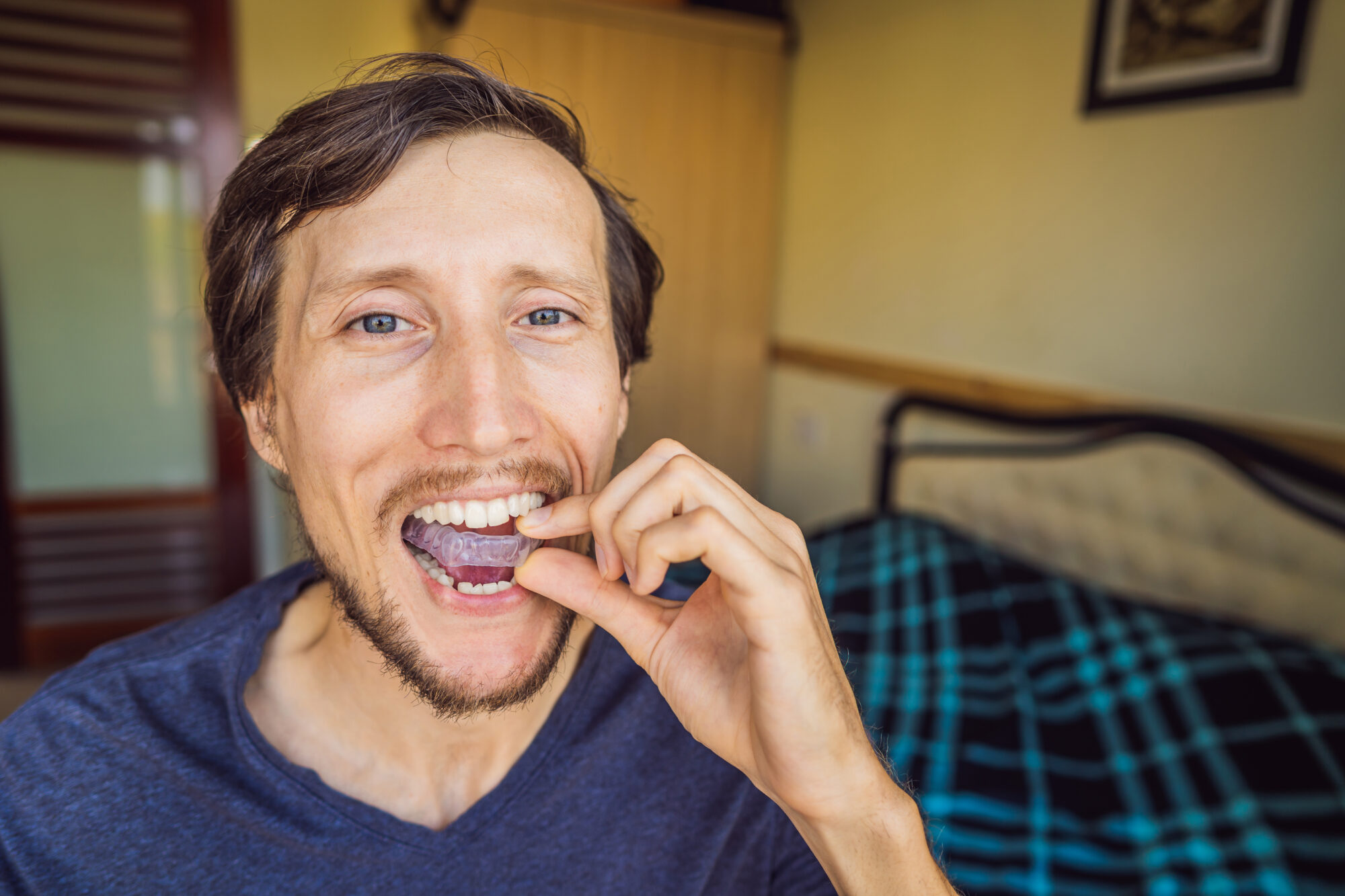
Should I Use a Night Guard?
Waking up with jaw pain, headaches or sore teeth isn’t normal, and it might be your body’s way of telling you that you’re grinding your teeth while you sleep. If you’ve noticed these symptoms, you may wonder whether a night guard could help. At Distinctive Dental Solutions, we understand that every patient’s dental health journey is unique. Our approach focuses on education and individualized treatment planning to help you make informed decisions about protecting your oral health. Here are the signs that you might need a night guard:
- Morning headaches or jaw pain
- Worn, chipped or cracked teeth
- TMJ-related discomfort
- Partner notices grinding sounds
- Increased tooth sensitivity
What Is Bruxism?
Bruxism is the medical term for the habit of unconsciously grinding or clenching your teeth, typically during sleep or times of stress. This condition affects both children and adults, though many people don’t realize they have it until their dentist points out signs of tooth wear or their sleep partner mentions the grinding sounds.
Sleep bruxism occurs when your jaw muscles contract involuntarily, causing your teeth to grind against each other with significant force. This repetitive motion can subject your teeth and jaw to tremendous pressure, sometimes equivalent to holding 40 minutes of intense force per hour throughout the night.
The condition can lead to serious complications, including:
- Tooth damage: Enamel erosion, chips, cracks and fractures
- TMJ disorders: Pain and dysfunction in the jaw joint
- Facial pain: Muscle tension in the jaw, face and neck
- Sleep disruption: For both you and your partner
Why Does My Jaw Hurt When I Wake Up?
Morning jaw pain is one of the most common signs of nighttime teeth grinding or clenching. When you clench your jaw muscles for extended periods during sleep, those muscles become overworked and strained, similar to how your arms might feel sore after an intense workout.
The temporomandibular joint (TMJ) connects your jawbone to your skull, and excessive clenching puts tremendous stress on this joint and the surrounding muscles. This can result in:
- Muscle fatigue and soreness
- Joint inflammation
- Difficulty opening your mouth wide
- Popping or clicking sounds when moving your jaw
Can Teeth Grinding Cause Neck Pain?
Teeth grinding can definitely cause neck pain. Your jaw, face and neck muscles are interconnected, forming a complex network that works together during chewing, speaking and other jaw movements.
When you grind or clench your teeth, the tension doesn’t stay isolated to your jaw muscles. Instead, it can radiate to:
- Neck muscles: Creating stiffness and pain
- Shoulder muscles: Causing tension and discomfort
- Head and face: Leading to headaches and facial pain
This is why many people with bruxism experience what feels like tension headaches or even migraine-like symptoms that seem unrelated to their teeth.
How Do I Manage TMJ Pain While I Sleep?
Managing TMJ pain during sleep requires a comprehensive approach. While a custom night guard is often the most effective solution, there are additional strategies that can help:
Immediate relief methods:
- Apply a warm compress to your jaw before bed
- Practice gentle jaw stretches and relaxation exercises
- Avoid caffeine and alcohol in the evening
- Create a calming bedtime routine to reduce stress
Professional treatment options:
- Custom-fitted night guards to cushion teeth and reduce muscle tension
- Physical therapy to relax and strengthen jaw muscles
- Stress management techniques
Can a Night Guard Help Me Sleep More Comfortably?
While self-help can reduce pain in limited or minor cases, people often benefit from professional treatment. A properly fitted night guard can significantly improve your sleep quality by addressing the root causes of nighttime discomfort. Here’s how:
Physical comfort improvements:
- Reduces muscle strain by maintaining proper jaw positioning
- Prevents teeth from grinding together
- Cushions the impact of clenching
- Allows jaw muscles to relax more naturally
Sleep quality benefits:
- Eliminates grinding sounds that might wake you or your partner
- Reduces pain that could interrupt your sleep
- Helps maintain deeper, more restorative sleep cycles
It’s important to note that over-the-counter night guards often don’t provide the same benefits as custom-fitted ones. A properly fitted guard from your dentist ensures optimal jaw alignment and comfort.
What’s the Best Way to Avoid Expensive Dental Repairs?
Prevention is always more cost-effective than treatment. The damage caused by untreated bruxism can lead to expensive dental procedures, including:
- Root canals from severely worn teeth
- Crowns to restore damaged tooth structure
- TMJ treatment for joint disorders
- Orthodontic work to correct bite issues
Preventive strategies include:
- Getting a custom night guard before significant damage occurs
- Ongoing dental checkups to watch for early signs of wear
- Stress management to reduce daytime and nighttime grinding
- Avoiding habits that worsen bruxism (like chewing gum excessively)
The cost of a custom night guard is typically far less than the cumulative cost of repairing damaged teeth over time. Most dental insurance plans also provide coverage for night guards when they’re medically necessary.
Protect Your Oral Health Today
Protecting your teeth from grinding and clenching supports your long-term oral health. At Distinctive Dental Solutions, our goal is to equip every patient with the knowledge to confidently manage their oral health. If you’re noticing any signs of bruxism, contact us for an appointment. We’ll work with you to determine whether a night guard is the right solution and help you take the first step toward better sleep and healthier teeth.